Intack Primary School Proud to Belong
Science Week
During Science, we have been learning about animals. For Science Week, we explored what birds need in their nests and why. We discussed how nests must be strong, safe, and suitable for protecting eggs and young birds.
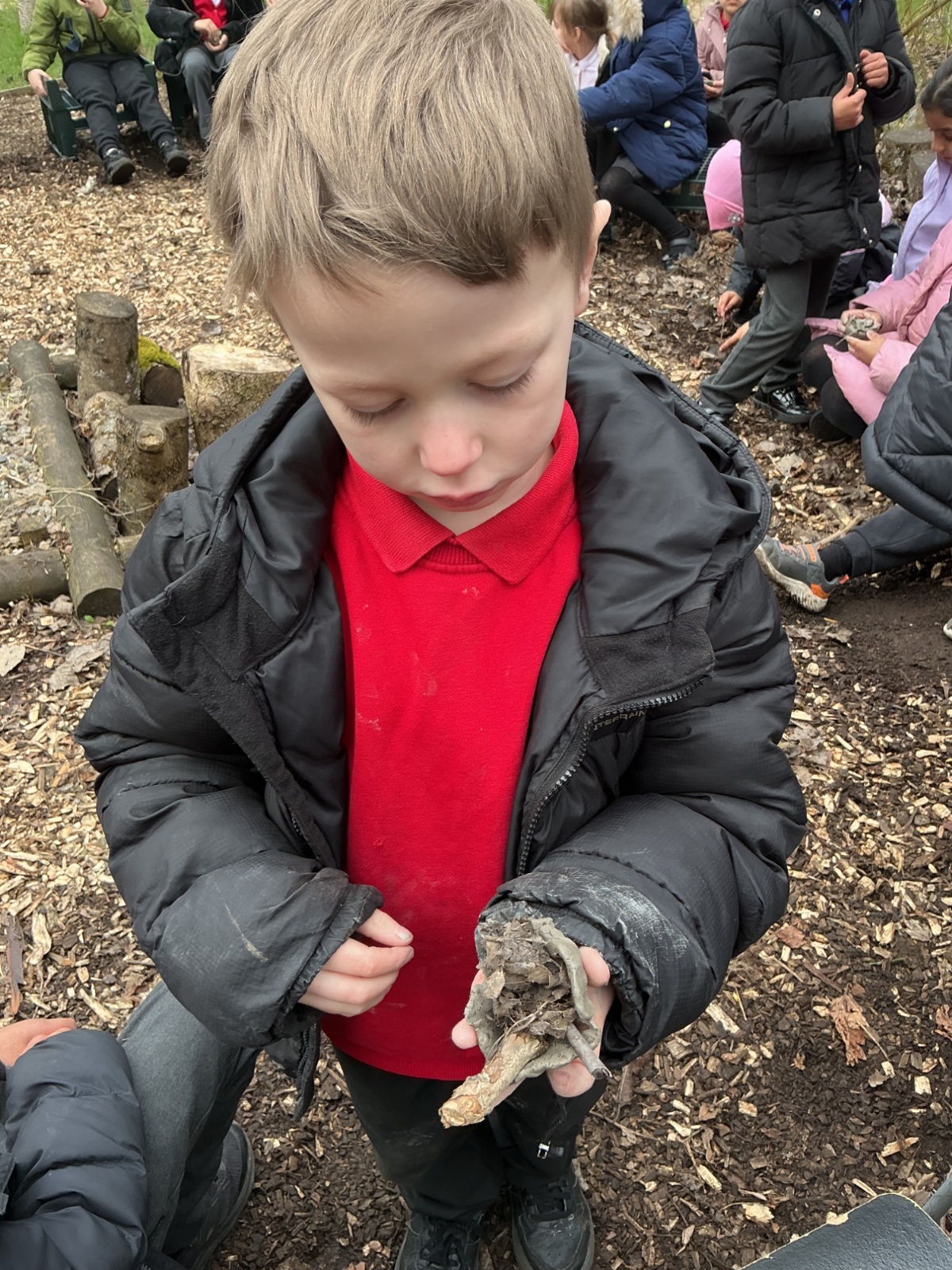
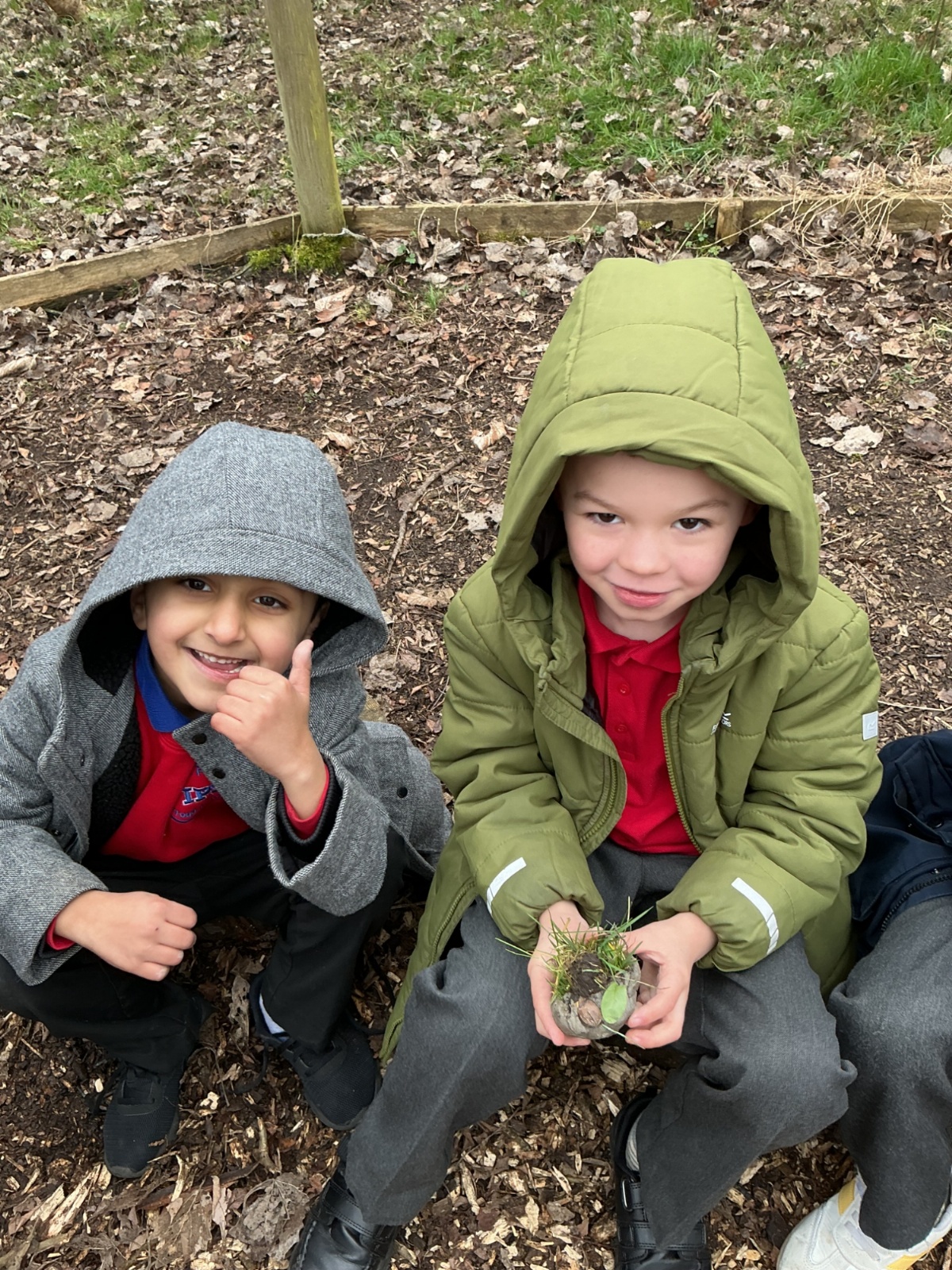
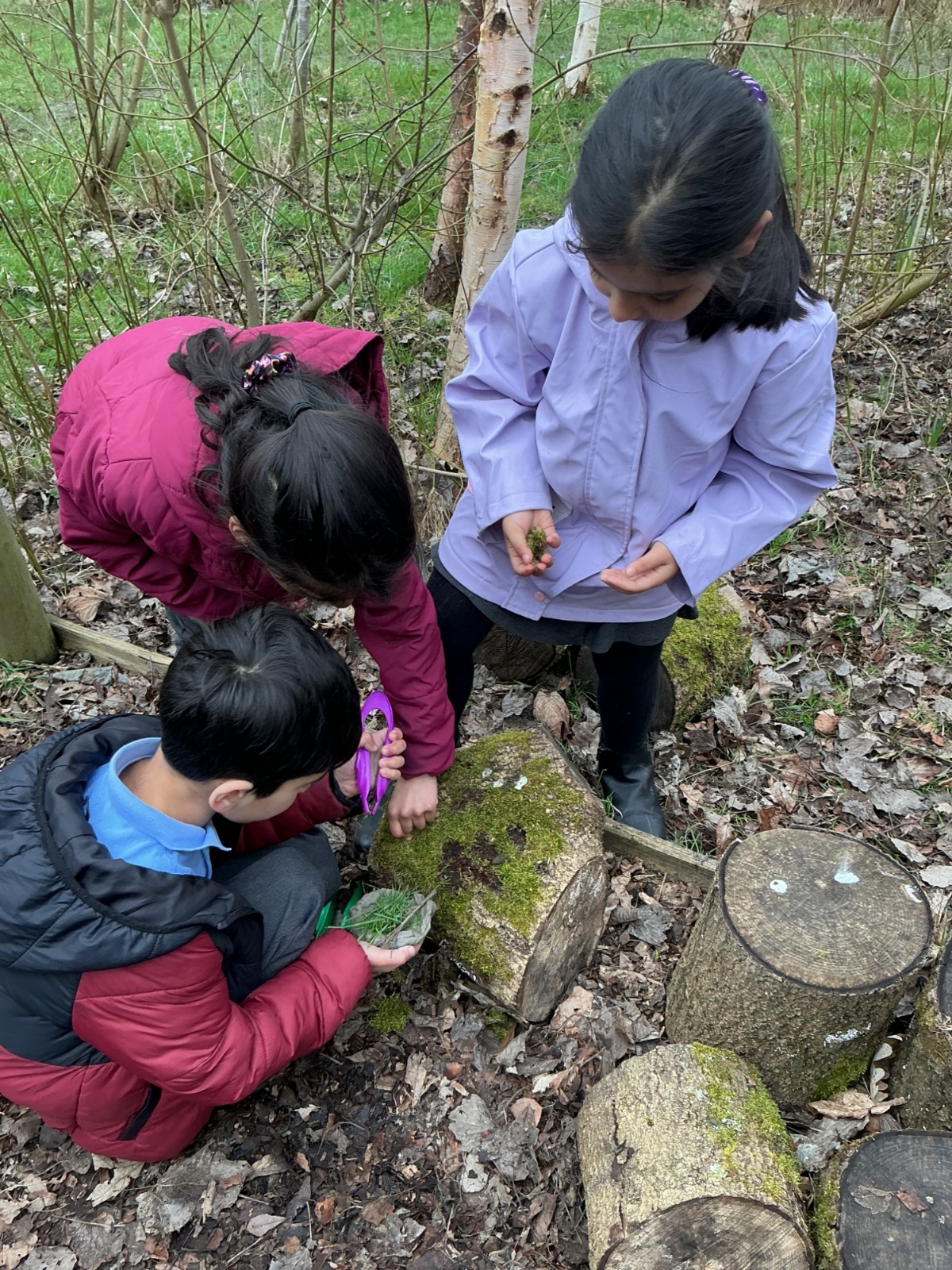
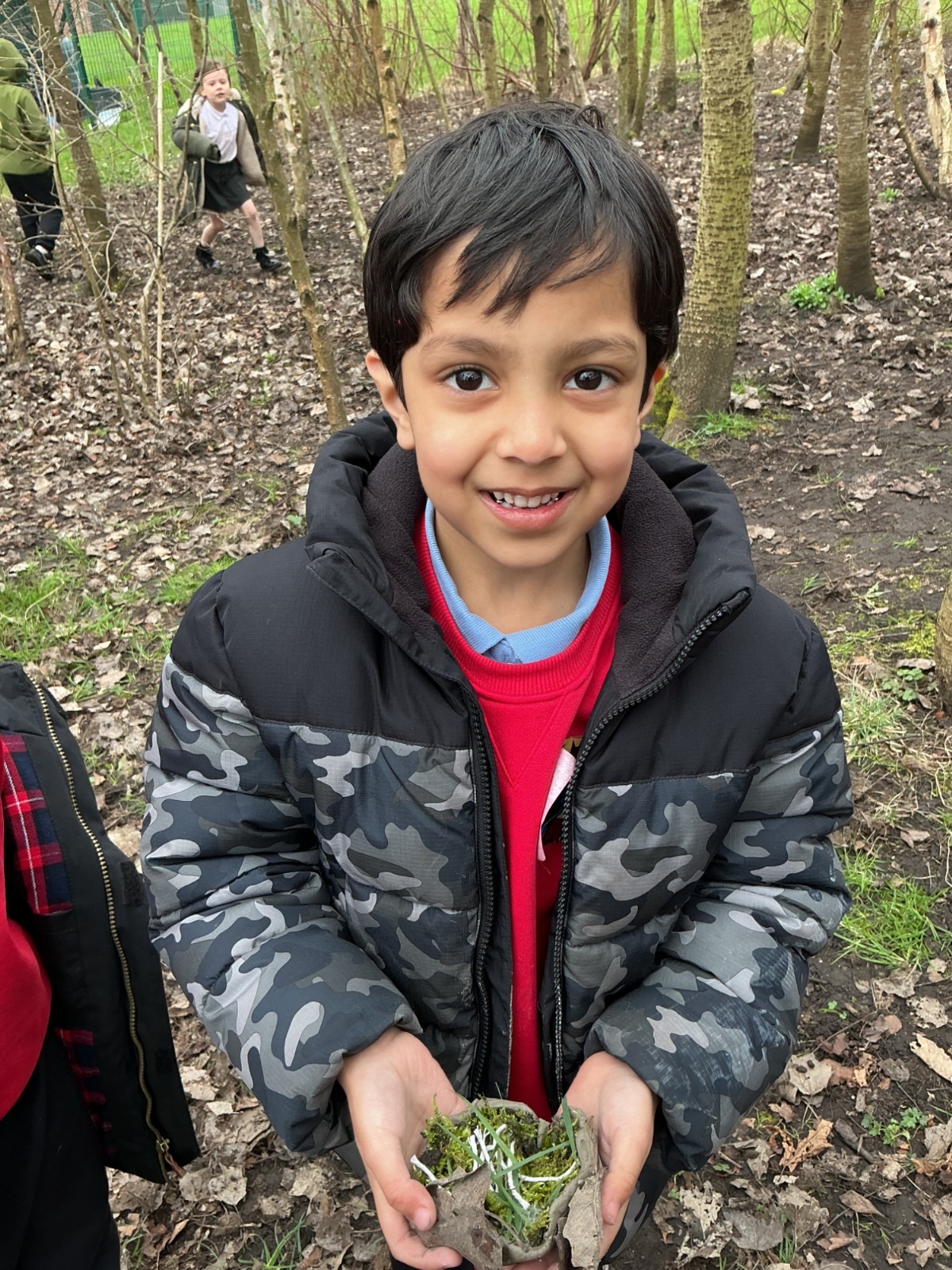
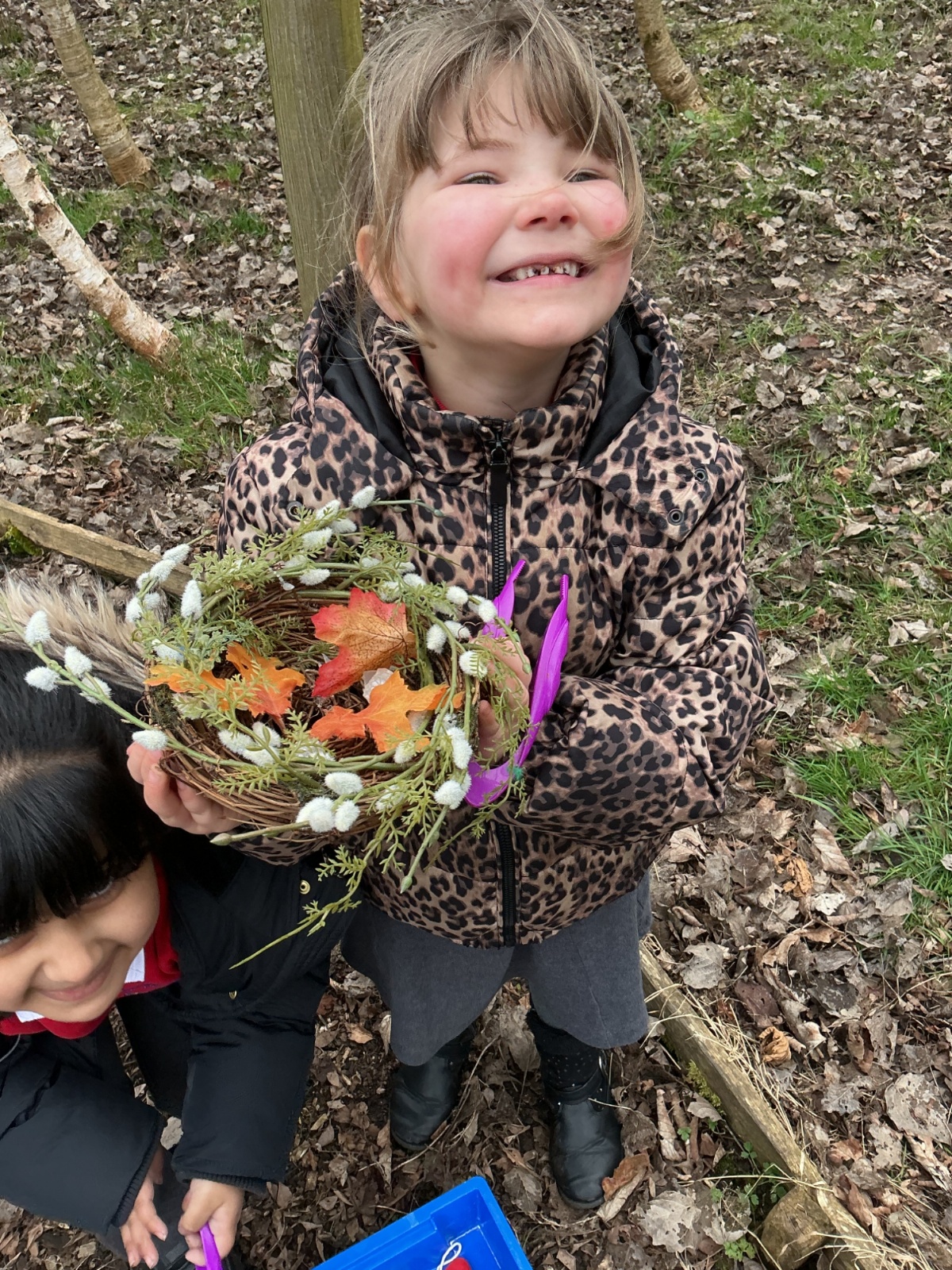
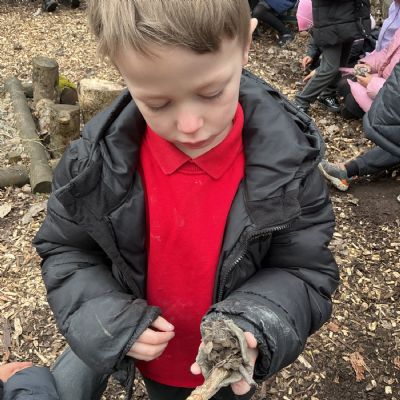
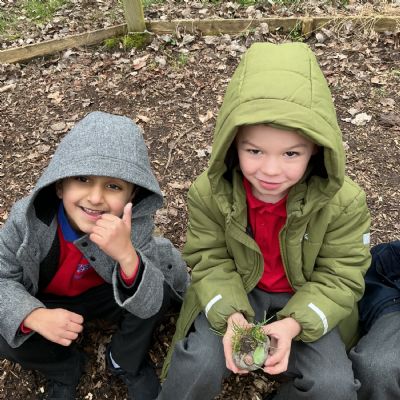
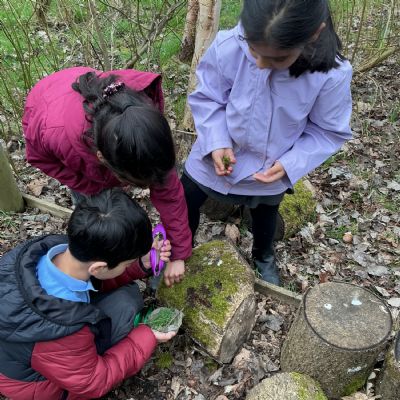
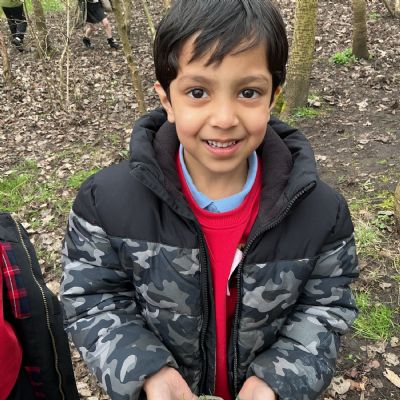
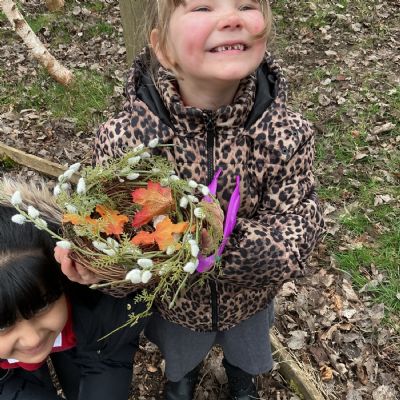
We visited Forest School, where we collected natural materials to build our own nests. We used sticks, leaves, moss, and feathers, and worked carefully to arrange them. We used clay to help hold the materials together and make our nests stronger.
Through this activity, we learnt that bird nests need to be strong and water-resistant so they can withstand different weather conditions and keep the eggs safe.
We followed our curiosity during our history learning. We discovered that Thomas Moore invented a cool box to keep food fresh at a time when there was no electricity. The cool box needed ice, which led us to wonder: how did people get ice without freezers?
At first, we thought they might have travelled to places like the North Pole. However, we learnt that people actually collected large blocks of ice from frozen lakes and seas during winter. They stored this ice in basements or special storage areas and cut smaller pieces off when needed.
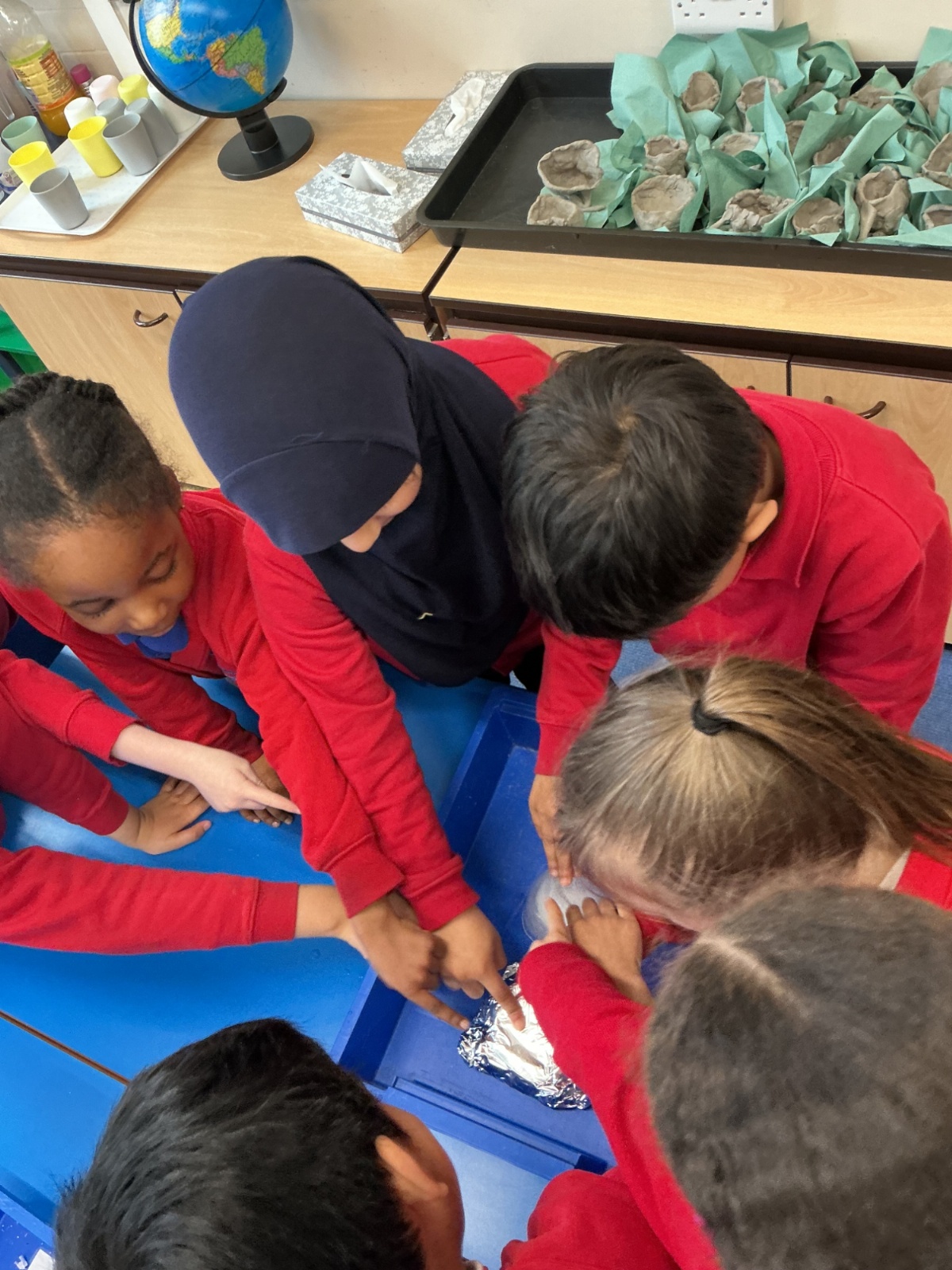
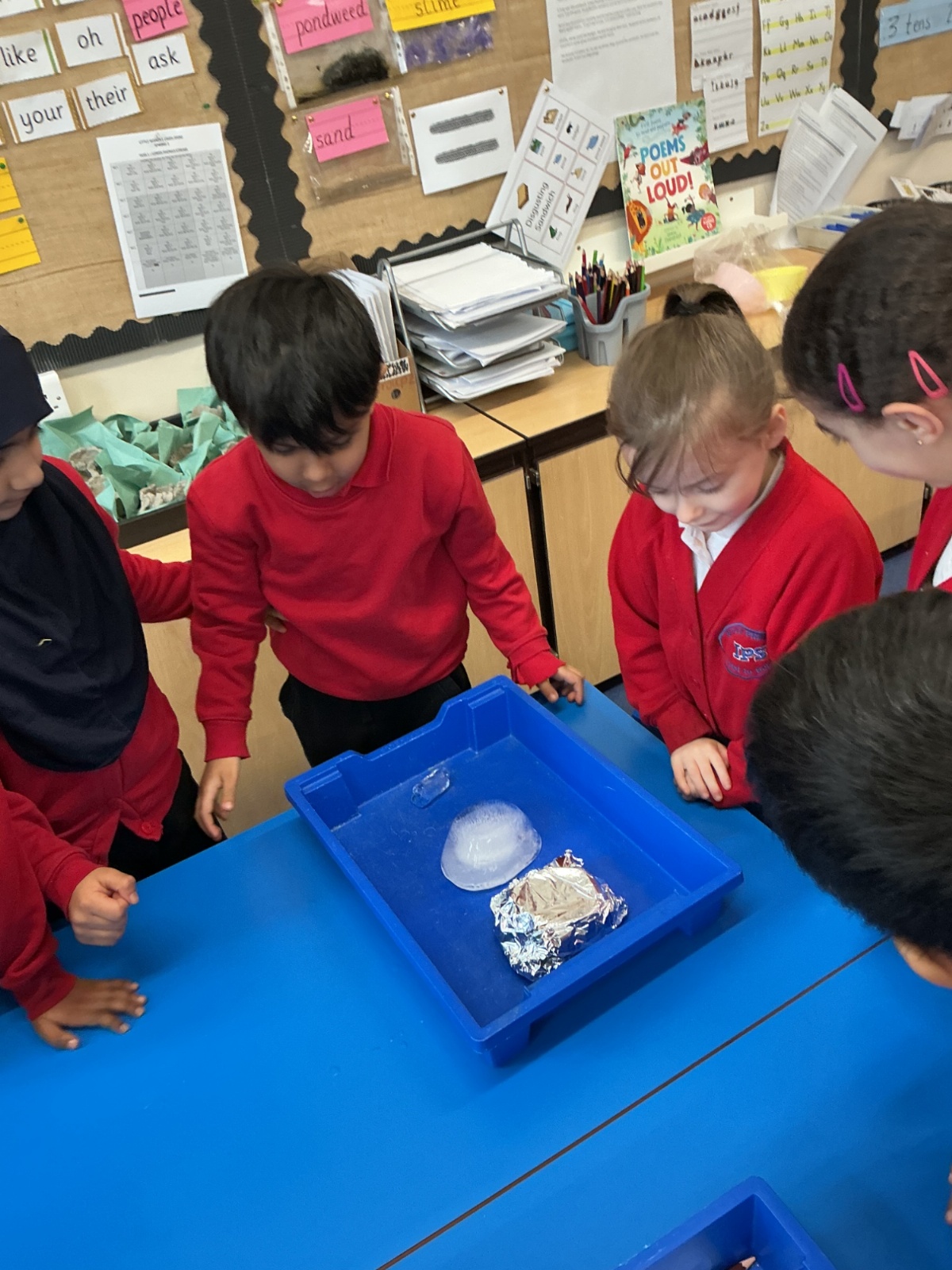
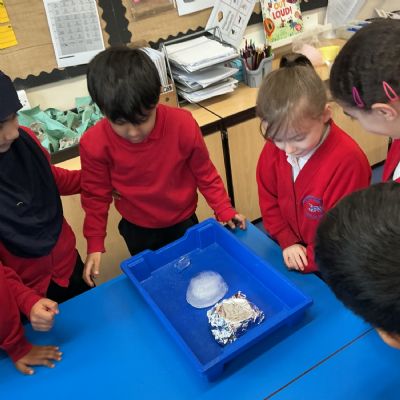
This led us to another question: how did the ice not melt? To explore this, we carried out an experiment. We used a large piece of ice and a smaller piece of ice to see which would melt faster. To make it a fair test, we placed both pieces in the same location in the classroom.
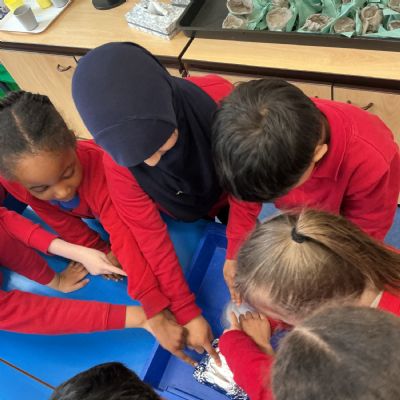
We also used another large piece of ice of the same size and wrapped it in foil to see how it would melt when insulated, like it might be in a cool box.
We observed that the smaller piece of ice melted more quickly. We also noticed that the wrapped ice melted more slowly than the unwrapped ice. This helped us understand that larger blocks of ice take longer to melt and that wrapping or insulating the ice can help keep it cold for longer.
We also discussed how homes in the past did not have central heating, meaning the cooler temperatures would have helped preserve the ice for longer.
 IMG0740.JPG378
 IMG0734.JPG377
 IMG0730.JPG376
 IMG0725.JPG375
 IMG0705.JPG374
 IMG0691.JPG373
 IMG0686.JPG372